Dog Paw Human Touch: A Designer's Review
As someone who has spent years navigating the intersection of digital design and physical thread, I approach every new machine embroidery design with a specific set of questions. Does it translate well from screen to fabric? Will it hold up under washing? Most importantly, does it carry an emotional weight that justifies the time and materials invested in stitching it? When I first opened the file for Dog Paw Human Touch, I wasn't just looking at pixels; I was visualizing how this motif would sit on a heavy cotton tote bag or peek out from the chest pocket of a denim jacket. The concept is immediately clear: a bridge between our canine companions and us, rendered in a way that feels intimate rather than generic.
The First Impression: Mood and Visual Weight
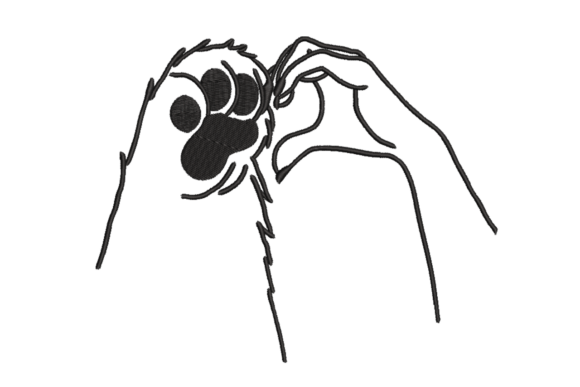
The initial view of Dog Paw Human Touch suggests a design that balances simplicity with narrative depth. Unlike many standard paw prints that rely solely on outline stitches or basic fills, this design appears to incorporate subtle textural elements that mimic the softness of fur against the firmness of a human touch. The layout is compact yet expressive, making it versatile enough for small-scale accents without feeling cramped. For a craft business owner or an Etsy seller, this kind of visual personality is crucial. It moves beyond a simple graphic into a statement piece that resonates with pet lovers who want something more sophisticated than a cartoonish clip art.
When evaluating the shape and detail level, the design seems to prioritize flow over rigid geometry. This is a smart choice for embroidery, as organic lines tend to hide minor tension issues better than sharp angles. The theme naturally evokes warmth and connection, which makes it an excellent candidate for personalized gifts. Whether you are creating a baby blanket for a family expecting a new puppy or a commemorative pillow for a dog rescue volunteer, the emotional hook is already built into the imagery.
Real-World Application: From File to Finished Product
Let's talk about where this design actually shines in a production setting. Imagine you are preparing a custom embroidered sweatshirt for a local boutique. You need a design that looks professional but retains a handmade charm. Dog Paw Human Touch fits perfectly here. On a fleece or French terry sweatshirt, the contrast between the fill stitch areas and the background fabric creates a tactile dimension that customers love to feel. The design is substantial enough to anchor a larger garment but not so large that it overwhelms the silhouette.
I also see significant potential for using this as an embroidered patch. If you cut this out with a border, it becomes a durable accessory for backpacks, jeans, or even hats. The clarity of the lines suggests it would work well with satin stitch borders to define the edges, giving the finished product a crisp, high-end look. For those running a small shop product line, consistency is key. Using Dog Paw Human Touch across different items—like matching tote bag designs and aprons—creates a cohesive brand identity that signals quality to your buyers.
For holiday embroidery projects, this design offers a timeless appeal. Instead of seasonal clutter, a subtle paw print with a human element serves as a year-round reminder of the bond between pets and their owners. It works beautifully on tea towels, nursery decor, and even as a monogrammed accent on wedding guest gifts. The versatility allows you to pivot your inventory based on demand without needing to purchase entirely new design assets.
Navigating Fabric and Hoop Challenges
While the design is robust, experienced decorators know that no embroidery file is immune to material challenges. There are specific scenarios where Dog Paw Human Touch requires careful handling. If you are working with thin or stretchy fabrics like jersey knit, the density of the fill stitches could cause puckering if the wrong stabilizer is used. Always test the design on scrap fabric first to gauge the necessary backing support.
Texture also plays a role. On highly textured fabrics like corduroy or heavy canvas, smaller details might get lost in the weave. In these cases, you may need to adjust the stitch density or slightly enlarge the hoop size to ensure the machine has enough room to maneuver without distorting the image. Similarly, when applying this to curved surfaces like caps, the design's placement is critical. Centering it on the front panel usually yields the best results, but be wary of the brim area where the needle angle can cause skipped stitches.
Dark fabrics present another consideration. While the design likely includes options for various thread colors, stitching light threads over dark backgrounds often requires a layer of underlay or a tonal backing to prevent the fabric color from bleeding through. Always compare light and dark fabric backgrounds during your mockup phase. Testing it in black and white mockups before committing to expensive thread purchases can save you from costly mistakes.
Strategic Notes for Designers and Sellers
If you are planning to use Dog Paw Human Touch for commercial embroidery, there are practical steps you must take to protect your business and ensure customer satisfaction. First, confirm the licensing terms. Many digital files are sold for personal use only, and selling finished items or the digital embroidery file itself requires a specific commercial license. Never assume; always check the documentation provided with the download.
Secondly, focus on the presentation. Even the best design can look amateurish if the finishing touches are neglected. Trim loose threads meticulously, especially around the delicate areas of the paw pads. Press the finished product gently, avoiding direct iron contact on the stitches to prevent flattening the texture. For online sellers, high-quality photos of the actual stitched item are far more effective than printable mockups. Show the design on real fabric to build buyer trust and demonstrate the tangible value of your handmade product.
Finally, consider the longevity of the project. Items like baby clothes or kitchen towels undergo frequent washing. Ensure that the running stitch and satin stitch elements are secure and that the stabilizer used will not degrade quickly in the wash. A well-executed custom apparel item should look as good after ten washes as it did fresh off the machine. By paying attention to these details, you elevate Dog Paw Human Touch from a simple graphic to a cherished keepsake.
In conclusion, this design offers a compelling mix of emotional resonance and technical feasibility. It is not just another Dogs category item; it is a thoughtful representation of companionship that fits seamlessly into a wide range of creative projects. With proper preparation and attention to fabric compatibility, it can become a staple in your portfolio, driving engagement and sales for your craft business.