Funny Bird: A Professional Embroidery Design Review
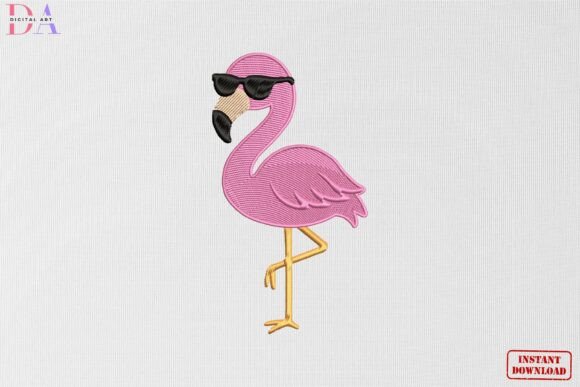
As an embroidery designer who has spent years translating digital files into tangible brand assets, I approach every new design with a critical eye. When a small business owner or apparel decorator asks for my opinion on a specific machine embroidery design, I am not just looking at the aesthetic appeal; I am evaluating its viability for commercial production. Today, we are reviewing the Funny Bird design. Based on the description that promises to "add a subtle touch of charm and creativity" to fabric projects, this piece falls squarely into the category of versatile branding elements suitable for everything from T-shirts to home décor. But does it hold up under the scrutiny of a professional studio?
First Impressions: Visual Personality and Brand Tone
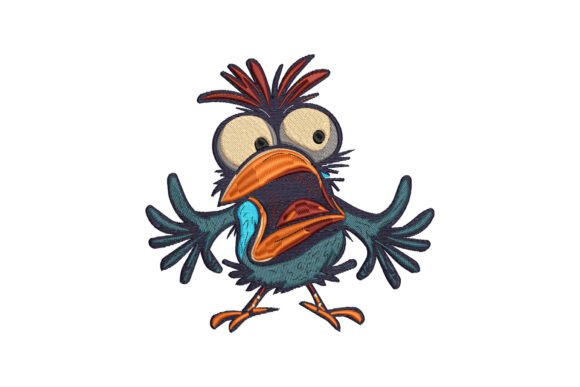
The moment I load the digital embroidery file for Funny Bird onto my digitizing software, the visual personality becomes immediately apparent. The title suggests playfulness, and the description confirms a focus on charm rather than aggressive boldness. In the world of brand identity, this is a crucial distinction. A design like Funny Bird is not intended to be a corporate seal of authority; instead, it serves as a friendly ambassador for your business.
For a boutique, a local café, a florist, or a handmade product brand, this level of whimsy is often exactly what is needed to humanize the customer experience. Unlike stark, geometric logos, a bird motif offers organic lines and a sense of movement. If your business values creativity, warmth, and approachability, this design aligns perfectly. It feels less like a mass-produced logo and more like a curated detail that adds value to the finished product. However, if you are in a highly regulated industry or a sector requiring severe formality, you might find the "funny" aspect too casual. For most creative studios and lifestyle brands, though, it strikes the right balance between professional and personable.
Real-World Application: From Patches to Uniforms
The true test of any embroidery file is how it performs when moved from the screen to various substrates. Let's explore where Funny Bird shines in a real business scenario. Imagine a small bakery wanting to elevate their staff uniforms. Placing a small version of this design on the chest pocket of a chef's apron creates an instant connection with customers. It transforms a standard work uniform into a piece of custom apparel that tells a story.
Consider the potential for embroidered patches. Because the design is described as having a "subtle touch," it likely features clean outlines and manageable fill areas, making it ideal for patch production. These patches can be sewn onto tote bags, denim jackets, or canvas backpacks sold as small business merch. For Etsy sellers and crafters, offering a branded tote bag with a unique tote bag design featuring Funny Bird can significantly increase the perceived value of the item compared to a simple screen print.
Furthermore, this design is excellent for cap embroidery. While large, complex designs often fail on the curved surface of a hat front, a compact bird motif usually translates well. It provides a focal point without overwhelming the wearer's face. Similarly, for product packaging accents—such as stitching a label onto a gift box or a premium pillowcase—the design adds a tactile, high-quality feel that printed labels simply cannot achieve. It signals to the buyer that care was taken in the creation of the item, reinforcing the handmade product narrative.
Strategic Considerations: Where Caution is Required
While Funny Bird is versatile, it is not a one-size-fits-all solution. As a professional, I must advise caution regarding specific applications. First, consider the scale. If you attempt to use this design for very small patches or tiny sleeve details, the intricate details of the bird's feathers or facial expression may get lost. High stitch density in a small area can lead to puckering, especially on lightweight fabrics. Always verify the minimum recommended size before committing to a run.
Second, think about the fabric texture. The description mentions towels and pillows, which have distinct textures. On a terry cloth towel, the loops can interfere with fine details. You may need to adjust the thread colors to ensure sufficient contrast against the textured background. Dark uniforms also present a challenge; if the design relies on light thread colors, ensure the stabilizer and backing are robust enough to prevent show-through.
Additionally, items that undergo frequent washing, such as aprons or work shirts, require durable stitching. If the design includes long satin stitches or delicate outlines, they may fray over time. In these cases, converting certain areas to fill stitches or using a heavier weight thread might be necessary to ensure longevity. Always review the spacing between elements to ensure the machine needle does not break or the fabric does not tear during high-speed production.
Impact on Brand Identity and Customer Trust
Choosing the right design assets is a strategic decision that influences customer trust and recognition. A consistent visual language across your merchandise helps build a cohesive brand. Funny Bird, with its charming aesthetic, can become a recognizable symbol for your business if used consistently. When a customer sees the same playful bird on your staff's caps, your product tags, and your promotional totes, it reinforces your brand presence.
This consistency elevates the perceived professionalism of your business. Even though the design is playful, the quality of the execution speaks volumes. A well-stitched, high-quality commercial embroidery project demonstrates attention to detail. It tells the customer that you do not cut corners, whether in your service or your products. This can lead to increased buyer engagement and loyalty, as customers associate the positive feeling of the design with the reliability of your brand.
Practical Designer Notes for Production Success
Before you integrate Funny Bird into your production line, follow these practical steps to ensure a flawless result:
- Test in Black and White: Before selecting vibrant thread colors, run a test stitch in black. This allows you to see the structural integrity of the design and identify any gaps or tension issues without the distraction of color.
- Verify Hoop Size: Confirm that the design fits within your available hoop size. If the design is larger than your hoop, you will need to split it, which can complicate alignment and registration.
- Check Stabilizer Requirements: Depending on the fabric, you may need a heavy-duty cut-away or a tear-away stabilizer. Test on the actual material you plan to use to prevent distortion.
- Create a Printable Mockup: Before sending the job to the client or starting a bulk order, create a printable mockup showing the design on the final product. This manages expectations and secures approval.
- Compare Design Assets: Place Funny Bird beside other logos or text elements you plan to use. Ensure the style and weight of the lines complement your existing design assets for a unified look.
- Confirm Licensing: Finally, always confirm the commercial embroidery license terms. Ensure you have the legal right to use this design for small business merch, uniforms, and resale items.
In conclusion, the Funny Bird embroidery design offers a delightful opportunity for businesses to inject personality into their physical products. By understanding its strengths, limitations, and proper application, you can leverage this charming motif to enhance your brand identity and deliver high-quality merchandise that resonates with your audience. Whether it ends up on a cap, a patch, or a pillow, the key lies in thoughtful execution and professional preparation.