Jaguar Face Embroidery Design Review for Craft Fairs
As I set up my table for the upcoming weekend craft fair, I am sorting through a stack of digital files to decide which designs will translate best into tangible, sellable goods. Today, I am focusing on a specific asset from the Wild Animals category: the Jaguar Face. This is not just about downloading an embroidery file; it is about understanding how this design behaves under real-world conditions, from the hoop to the customer's hands. For those of us running handmade shops or Etsy stores, every stitch counts toward our bottom line.
First Impressions: Boldness Meets Charm
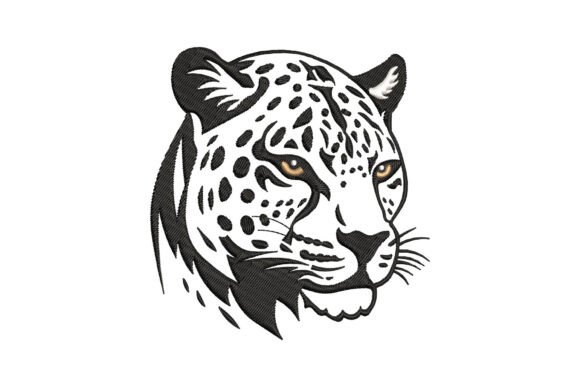
When I first loaded the Jaguar Face design into my software, the initial reaction was one of intrigue. The description promises a "subtle touch of charm and creativity," but visually, the jaguar carries an inherent wild energy. It strikes a delicate balance between being fierce and approachable. Unlike some overly detailed animal portraits that can look cluttered when stitched, this design feels modern and slightly stylized. It has that premium quality that makes a product feel special rather than generic.
For a craft fair booth, where customers walk past quickly, visual impact is everything. The Jaguar Face does not scream for attention in a chaotic way; instead, it invites a closer look. It feels like a design that fits well within a bohemian-chic aesthetic or a modern farmhouse style, depending on the thread colors chosen. This versatility is a huge plus for boutique makers who need their inventory to appeal to a broad range of tastes without losing a cohesive brand identity.
Evaluating Product Applications
The true test of any machine embroidery design is how it performs across different substrates. I have been testing the Jaguar Face on several items intended for my booth display, and the results vary significantly based on the fabric texture and item size.
Tote Bags and Market Goods
One of the strongest applications for this design is on canvas tote bags. The sturdy nature of the fabric allows the stitches to stand upright, giving the jaguar's features definition. When placed near the top corner of a bag, the design acts as a sophisticated logo rather than a childish graphic. For the eco-conscious shopper at a market, a tote bag featuring a subtle, high-quality embroidered patch design elevates the perceived value of the product immediately.
Kitchen Textiles: Aprons and Tea Towels
I also tested the design on kitchen linens. On a heavy-duty apron, the Jaguar Face works beautifully as a focal point on the bib. However, when moving to tea towel embroidery, caution is required. The loops in terry cloth can sometimes obscure fine details. If the design includes very small eyes or whiskers, they might get lost in the pile of the towel. To make this work, I would recommend using a tear-away stabilizer and ensuring the stitch density is high enough to sink into the loops without puckering. A lighter color thread on a white towel creates a soft, elegant look that appeals to home décor enthusiasts.
Caps and Patches
Curved surfaces like caps present a unique challenge. The Jaguar Face is complex enough that stretching it over a cap brim could distort the facial symmetry. However, if applied as an embroidered patch sewn onto the front of a flat-brimmed hat or a beanie, the result is fantastic. It adds a rugged, outdoorsy vibe that pairs perfectly with the Wild Animals theme. These patches are excellent for small shop products because they can be produced in batches and sold individually or as part of a bundle.
Pillows and Home Décor
For larger items like pillow covers, the design shines as a centerpiece. The scale allows for more intricate detailing, making the jaguar appear lifelike yet artistic. In a home setting, these pillows serve as conversation starters. They bridge the gap between rustic charm and modern art, making them a strong contender for the home décor section of a craft fair.
Practical Production Considerations
While the design looks great on screen, production reality dictates success. As an experienced designer, I always advise checking the technical aspects before committing to a large run of finished products.
Stitch Density and Fabric Texture
One area to watch closely is the stitch density in the eye and nose regions. Dense areas can cause fabric to pucker, especially on thinner materials like T-shirts or lightweight cotton. Always test the design on scrap fabric first. If you notice pulling, adjust the stabilizer type. A cut-away stabilizer often provides better support for dense designs on stretchy fabrics, while a tear-away might suffice for stiff canvases.
Thread Contrast and Visibility
The choice of thread colors dramatically affects how the design is perceived. On dark fabric, a light-colored outline is essential to maintain clarity. Without sufficient contrast, the subtlety mentioned in the product description can turn into invisibility. For online listings, ensure your printable mockups accurately reflect the thread sheen and color saturation. Customers cannot touch the product online, so the photos must convey the texture and depth of the embroidery.
Scalability and Hoop Size
Before mass-producing, confirm the hoop size required. If the design demands a large hoop, it may limit the types of products you can embroider efficiently. For batch production, time is money. A design that fits comfortably in a 5x7 hoop is generally more versatile for small business owners than one requiring a 10x10 hoop. Check if the design assets allow for resizing without losing critical details. Some elements of the Jaguar Face might become muddy if scaled down too small for a keychain or a small pouch.
Selling Strategy and Customer Engagement
How does the Jaguar Face affect your sales? First impressions drive engagement. At a busy craft fair, a well-embroidered item stands out against a sea of printed graphics. Handmade products with visible stitching communicate quality and care. The tactile nature of embroidery encourages customers to pick up the item, increasing the likelihood of a sale.
For Etsy sellers, this design offers a unique selling proposition. While many sellers offer generic floral or geometric patterns, a stylized animal face taps into a niche market of nature lovers and wildlife enthusiasts. By creating a collection around the Wild Animals theme, you can build a stronger brand narrative. Use high-quality photos showing the back of the stitching to demonstrate professional finish, which reassures buyers about the durability of the product.
Final Designer Notes for Success
To maximize the potential of the Jaguar Face embroidery design, follow these final steps:
- Test Run: Always stitch a sample on the exact fabric you plan to sell. Check for registration issues and thread breaks.
- Stabilizer Selection: Match the stabilizer to the fabric weight. Do not skimp here; poor stabilization ruins even the best digital embroidery file.
- Licensing Check: Before selling finished products, confirm your commercial licensing rights. Ensure you are permitted to sell items made with this design in both physical markets and online platforms.
- Mockup Creation: Create realistic printable mockups for your online store. Show the design on various items like aprons, towels, and caps to inspire buyers.
- Color Palette: Experiment with thread colors to match seasonal trends. Earth tones work year-round, but bright accents can catch the eye during holiday seasons.
The Jaguar Face is a versatile asset that, when executed correctly, can elevate your handmade product line. It balances the wild spirit of nature with the refined touch of craftsmanship. Whether you are stocking a craft fair booth or updating your Etsy shop, this design offers a compelling opportunity to create memorable, high-value items that customers will want to take home.