Folk Art Maple Leaf: A Designer's Business Review
As an embroidery designer who has spent years curating assets for small business owners, I know that the difference between a good logo and a great brand identity often comes down to the details. When evaluating a new machine embroidery design like the Folk Art Maple Leaf, my focus shifts immediately from aesthetic appreciation to practical application. This is not just about how pretty a leaf looks on a screen; it is about how it translates to physical merchandise, withstands wear and tear, and elevates a brand in a crowded marketplace.
First Impressions: Rustic Charm Meets Professional Polish
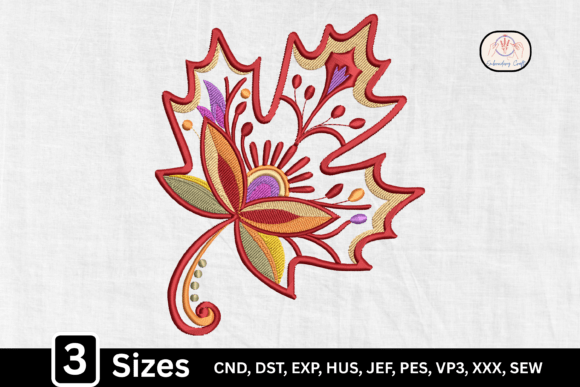
The first time I opened the Folk Art Maple Leaf file, the visual personality was immediately clear. It strikes a perfect balance between rustic, handmade charm and professional polish. The description promises "artistic autumn charm," and the design delivers exactly that without feeling cluttered or overly decorative. For small business merch creators, this is a crucial distinction. Many floral designs can feel too fussy for corporate uniforms, but this piece retains enough structure to function as a serious brand asset while maintaining the warmth needed for boutique shops, bakeries, and florists.
The style suggests a hand-drawn quality that resonates with modern consumers seeking authenticity. Whether you are a local café wanting to add seasonal flair to your staff aprons or a handmade brand looking for a signature mark on tote bags, this design feels approachable yet elevated. It avoids the generic look of clip art, offering instead a unique character that can become synonymous with your brand identity.
Strategic Applications for Small Business Merchandise
When considering where to deploy the Folk Art Maple Leaf, the possibilities for custom apparel and branded goods are extensive. Here is how I envision this design performing across various product lines:
- Embroidered Patches: This is arguably the strongest use case. The bold outlines and distinct shape make it ideal for creating high-quality embroidered patches. These can be sold as standalone collectibles or sewn onto denim jackets, backpacks, and canvas totes. The folk art style ensures the patch stands out even when viewed from a distance.
- Staff Uniforms and Aprons: For a bakery or a boutique, adding this design to the chest pocket of a work shirt or the bib of an apron creates instant visual consistency. It signals to customers that your business embraces the season and values craftsmanship. Apron embroidery is particularly effective here because the fabric texture usually complements the rustic aesthetic of the leaf.
- Cap Embroidery: Placing a simplified version of the Folk Art Maple Leaf on the front panel of a baseball cap works well for event merch or customer gifts. However, care must be taken with sizing to ensure the details remain crisp on the curved surface of a hat.
- Tote Bag Design: Canvas tote bags are a staple for eco-conscious brands. A large-scale version of this design centered on a bag acts as a walking billboard. The contrast of thread colors against natural canvas enhances the "handmade product" vibe, making the finished product feel premium.
- Product Packaging Accents: Beyond apparel, consider using this as a label on jars of jam, boxes of soaps, or tags for pet accessories. Even if printed, having the matching digital embroidery file allows you to offer limited-edition embroidered versions for VIP clients.
Navigating Technical Challenges and Limitations
While the Folk Art Maple Leaf is versatile, experienced designers know that no single file works perfectly everywhere without adjustment. There are specific scenarios where this design requires careful handling to maintain quality.
First, consider stitch density. Folk art styles often rely on texture and shading. If you attempt to embroider this on a very thin fabric like lightweight silk or fine linen, the high density might cause puckering. In these cases, you may need to reduce the stitch count or use a heavier stabilizer to support the design. Similarly, on dark uniforms, the background fill needs to be dense enough to hide the fabric color completely, which increases thread consumption and production time.
Second, be cautious with small patch sizes and tiny lettering. While the leaf itself scales reasonably well, any accompanying text or intricate internal details can get lost if the design is shrunk below a certain threshold. For cap fronts, which have limited space, you might need to isolate just the main outline of the leaf rather than the full detailed version. Always test the design at the intended size before committing to a bulk run.
Finally, pay attention to curved surfaces and fabric texture. Embroidering on a puffy sweater or a textured fleece can distort the clean lines of the maple leaf. The machine needs to pull through the loops of the fabric, which can sometimes blur fine details. A mockup on the actual material is essential to verify that the artistic intent survives the stitching process.
Impact on Brand Identity and Customer Trust
Choosing the right design assets directly influences how customers perceive your business. The Folk Art Maple Leaf offers a sense of tradition and care. When a customer receives a tote bag or wears a shirt with this embroidery, they associate those qualities with your brand. It moves beyond simple decoration to become a statement of values: authenticity, seasonality, and attention to detail.
This level of professionalism builds trust. In the world of Etsy sellers and craft business owners, the quality of your packaging and merch is often the first physical touchpoint a customer has with your brand. A poorly executed design can cheapen the perception of your products, whereas a well-executed commercial embroidery project adds tangible value. It transforms a standard item into a keepsake, encouraging repeat purchases and social sharing.
Practical Designer Notes for Production Success
If you decide to integrate the Folk Art Maple Leaf into your next commercial embroidery project, follow these steps to ensure a flawless result:
- Test in Black and White: Before selecting your final thread colors, download the file and print it in grayscale. This helps you visualize the contrast and ensure that the details are visible without relying on color alone.
- Verify Hoop Size: Check the dimensions of the digital embroidery file against your machine's hoop capabilities. Ensure there is enough room for the needle to move freely without hitting the frame, especially if you plan to add text around the leaf.
- Select the Right Stabilizer: Based on the fabric texture of your garment, choose a cut-away stabilizer for stretchy materials or a tear-away for stable fabrics. Proper stabilization is key to preventing the "mushy" look that ruins professional embroidery.
- Create a Printable Mockup: Before running the actual thread, generate a printable mockup for client approval. Show the design placed on the actual garment photo to manage expectations regarding scale and placement.
- Confirm Commercial Licensing: As a business owner, always confirm the license terms of the embroidery file. Ensure you have the right to use it for unlimited commercial projects, including selling the finished product, to avoid legal issues later.
- Compare Design Assets: Place the Folk Art Maple Leaf beside other elements of your branding, such as your logo font or color palette. Does it harmonize? Visual consistency is what makes a collection feel cohesive.
The Folk Art Maple Leaf is more than just an Autumn decoration; it is a strategic tool for businesses looking to enhance their visual presence. By understanding its strengths and limitations, you can leverage this machine embroidery design to create memorable, high-quality merchandise that resonates with your audience and strengthens your brand identity.